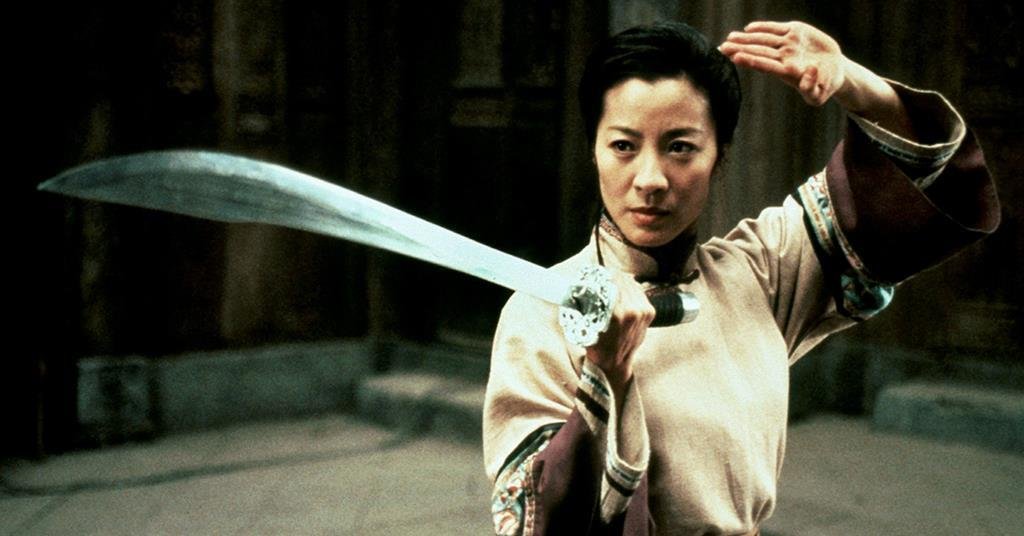
In a recent episode of our podcast, Jamie sat down with Dai Shu Wing Chun instructor Vinnie to discuss the evolution and popularity of Kung Fu, particularly in the West.
From the martial arts boom of the 70s and 80s, sparked by Bruce Lee and classic Kung Fu movies, to the rise of modern combat sports like UFC and MMA, they explore why traditional styles like Kung Fu and Wing Chun aren’t as prominent today.
The Full interview is from a podcast you can listen to here.
Why isn’t Kung Fu as popular as it once was?
James (Interviewer):
Let’s go to the next question then, because I think that kind of relates to what we’re saying anyway. Talking about schools and stuff — why isn’t Kung Fu as popular as it once was? Kung Fu, Wing Chun in particular?
Vinnie (Instructor):
Well, let’s start with both — Kung Fu first, then Wing Chun. Because Kung Fu — I mean, we’re old, but not that old. We’re classed as old these days by the young people.
Jamie:
Exactly.
Jamie:
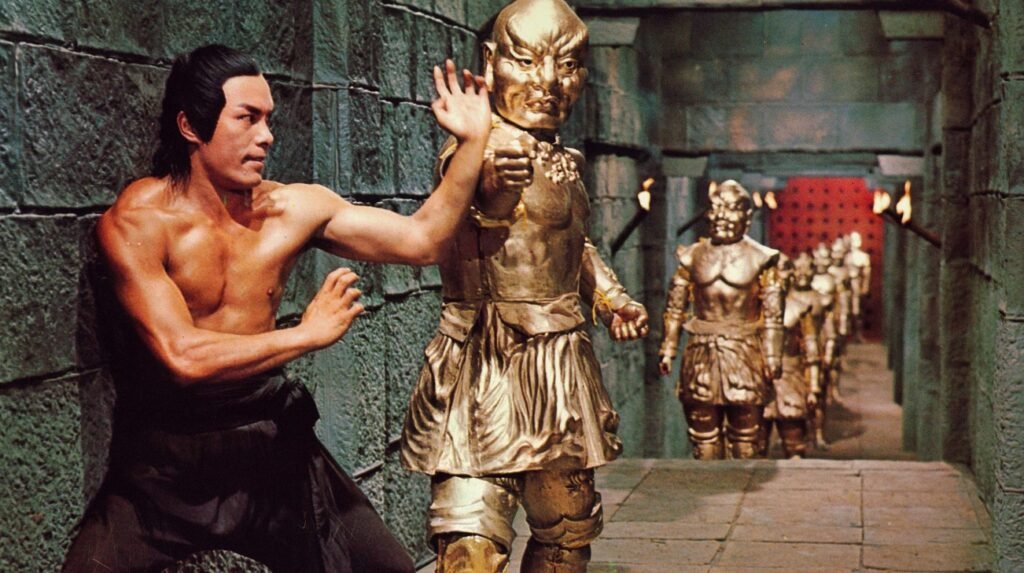
But before I was born, before you were born — from the 50s to the 80s — I think karate had its day, and then in the 80s it was Kung Fu. Probably around the time of Bruce Lee, maybe the 70s. Even before that, there was The 36th Chamber of Shaolin and those early temple films. And then you had the Black Exploitation-style Kung Fu movies too. I’m kind of mixing it all together, because I don’t know much — but that’s how I remember it.
Vinnie:
No, I think they were all related, yeah.
Jamie:
But that whole surge of popularity — and then Bruce Lee, I think, was the peak of it, right?
Vinnie:
I think so, yeah. In the Western world — obviously we’re old, but we weren’t around then — but from my understanding, Bruce Lee was one of the big reasons people became fascinated with Kung Fu and Wing Chun in particular.
Because, I’m sure everyone listening knows, that was Bruce Lee’s first martial art.
Back in the day, at my old academy in Australia in the 70s — that was Sifu Jim Fung’s academy in Adelaide — it was super popular. The floor would be full of people every night, fifty to a hundred people training. Packed house. People absolutely loved it back then.
Jamie:
Even in Adelaide as well?
Vinnie:
Yeah. Adelaide was where Sifu Jim originally started, so that was really the heart of our style in Australia. He was one of the first — I think around 1973.
So I think it was all part of that cultural wave. Bruce Lee, the Kung Fu movies, Enter the Dragon — it was just everywhere.

Jamie:
Do you think karate — because when I was growing up, The Karate Kid was the big thing — do you think that helped Kung Fu, and Kung Fu helped karate? Like, was it just a shared martial arts boom, or were they separate — people who knew about Kung Fu did Kung Fu, and karate people did karate
Vinnie:
I’m not sure. I think they probably helped each other a bit. It was that whole martial arts culture — especially for young people. Joining a Kung Fu or karate club was a big thing back then. I wouldn’t be surprised if they both benefited from that shared excitement.
But since then, I think the cultural focus has changed. These days, martial arts are centered around the UFC.
Jamie:
Yeah, so people now want to do MMA — that’s the goal. They want to be like UFC fighters, so they’re learning styles like Thai boxing or BJJ. Those are the popular choices today.
Vinnie:
Yeah, exactly. And that goes back to what we were saying before — UFC is kind of where martial arts go to die. Because if it works, it works. If it doesn’t, it doesn’t. It’s the ultimate test. So, in a way, UFC is shaping the whole martial arts world now.
Jamie:
Yep.
Vinnie:
But it’s also got a bad reputation in some ways. If you look at all those videos online of so-called masters in China — and I don’t want to throw shade on all of them, though some deserve it — you see these traditional masters getting beaten up by modern fighters.
Jamie:
You mean the Chinese MMA guy?

Vinnie:
Yeah, that guy who’s gone into hiding because he kept beating traditional masters.
Jamie:
Yeah, yeah.
Vinnie:
I love that guy.
Jamie:
Exactly.
Jamie:
So where’s the popularity going? There are obviously a lot of reasons, but I’ll skip over the charlatans and just say — Kung Fu isn’t what it used to be. Is that why it’s losing popularity too?
Vinnie:
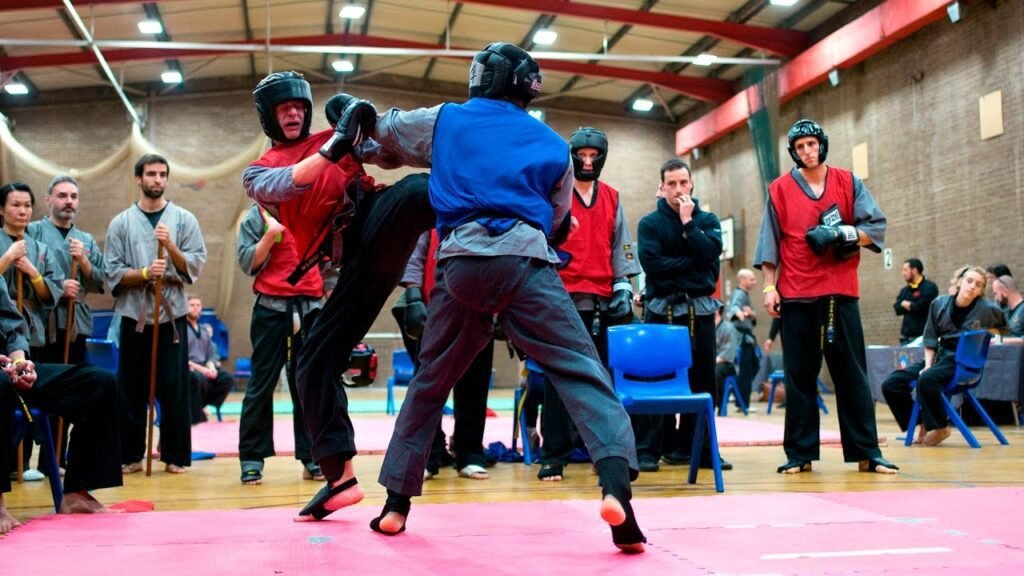
I think in some ways, yes. If you’re doing sports fighting, by definition you’re pressure testing — you’re sparring, you’re adapting, you’re learning. You get better simply by doing that.
A lot of traditional martial arts, like Kung Fu, don’t always have that. That’s why knowing why you’re practicing something is so important. It’s easy to fool yourself into thinking you’re stronger or more capable than you really are.
Maybe some of these people are skilled in what they do — but if they think they can take that untested skill into a fight or sparring match against someone who trains under pressure every day, they’re going to get destroyed.
Jamie:
Yeah, and you mentioned “sports martial arts.” What about self-defense martial arts? Because people don’t usually come to Kung Fu to compete — they come for self-defense, right?
So where does Kung Fu stand in terms of sports martial arts versus self-defense martial arts? And does that tie into its loss of popularity? Because people still prefer kickboxing and the combat sports since they see them working.
James:
Yeah.
Vinnie:
I think the same thing happens online — you see all these videos of people teaching “how to defend against a knife” or “how to stop a gun.” And honestly, some of it is the worst stuff you’ll ever see — things that would just get people killed.
It’s the same problem — no pressure testing. If you want to do self-defense, that’s fine, but you have to actually test it under realistic conditions.
A lot of the time, someone doing a combat sport like boxing, Thai, or BJJ will easily beat one of these so-called self-defense experts — weapon or not — simply because they train under real pressure.
If you go to any school, make sure they’re pressure testing what they teach, if that’s what you want to get out of it.
There’s nothing wrong with softer arts like Tai Chi either. For most people, it’s not about fighting — it’s about health, flexibility, mental focus. And that’s perfectly fine. You can even do some cool force generation training too.
Just be honest about what you’re doing and why. Don’t fool yourself into thinking you’ve got magical powers.

Vinnie:
That happens in every martial art.
Jamie:
It does. Though it happens less when you’re sparring every day and getting punched in the face — you’re not going to think you’ve got magic powers then.
Vinnie:
Exactly. And as long as you’re honest about what you’re training for, there’s nothing wrong with it.
Jamie:
So do you think Kung Fu is now more for people who aren’t really looking for self-defense? Like, that sounds dumb, but you know what I mean.
Vinnie:
Completely. I get what you mean. It depends on the school and the teacher.
If someone came to me and said, “I want to learn purely self-defense,” I’d probably tell them to take a proper self-defense course — something that specializes in that.
You’ll still get useful self-defense elements from Wing Chun, sure. And I do sometimes focus on that in my teaching. But I also enjoy the internal aspects — the body mechanics, the force generation, learning how to hit and move more efficiently. That’s what keeps me interested, and many in our lineage feel the same.
So as long as you’re realistic about it — knowing what you’re training for and what you’re not — you’ll get something valuable out of it.
If self-defense is all you want, then you should probably focus specifically on that.
Jamie:
We’ve gone a bit off-topic there — but that was fascinating.
Closing thoughts on why Kung Fu isn’t as popular as it once was.
Kung Fu and Wing Chun may not dominate the martial arts scene like they once did, but their impact is undeniable. From the cultural surge of the 70s and 80s to the lessons in discipline, body mechanics, and self-awareness that they still offer today, these traditional arts continue to have value.
While modern combat sports like MMA and UFC have shifted the focus toward pressure-tested fighting styles, those who train in Kung Fu and Wing Chun can still gain unique insights into self-defense, movement, and the deeper philosophies behind martial arts, reminding us that popularity doesn’t always define worth.
Disclaimer:
This blog was written by Jamie, the student. Any errors, inaccuracies, or misunderstandings are his own and should not be attributed to the instructor.
Leave a Reply